

The pace of change in today’s world is undeniable. Over the past decade, we’ve watched as technological advancements, political shifts, and cultural transformations have left their indelible mark on our societies. In this whirl of constant evolution, certain values once held dear seem to be fading. Honor, dignity, and integrity—virtues that once formed the backbone of both personal and public life—are increasingly overshadowed by the insatiable pursuit of wealth, power, and influence.
This shift is particularly noticeable in the Western world, where traditional ideals appear to be eroding under the weight of capitalism’s growing dominance. Today, many people seem to prioritize self-interest, cutting corners, and advancing personal gain over contributing to a broader sense of purpose or collective well-being. Money and power have ascended to become the new gods of the age, worshipped through ambition, excess, and social status. And while this trend is alarming on its own, the recent high-profile controversies surrounding public figures like Sean “Diddy” Combs, who has been accused of creating an abusive, cult-like environment, serve as stark illustrations of how far we’ve drifted.
The Rise of Self-Interest
It has long been said that people do what benefits them, but in the current climate, this self-interest seems to have taken on a different hue. Whether it’s in business, politics, or entertainment, the moral compass of society seems to have recalibrated itself to value success at any cost. This attitude has only accelerated in the last decade. The digital age has allowed for instantaneous gratification, where financial success, fame, and social validation are more accessible than ever before.
This speed of change has had a disorienting effect on our values. What was once the “slow burn” of earning respect through honorable deeds or principled leadership has been replaced with quick wins: viral fame, fast-tracked wealth, and a scramble for influence. The patience required for long-term integrity often feels outdated in a world where public personas are curated for Instagram or Twitter, and where overnight success stories are the new norm.
In the West, this culture of instant achievement is especially apparent. Corporate scandals, political corruption, and celebrity controversies frequently reveal just how low people are willing to sink in the name of gain. The value placed on money and power has grown to such an extent that people will overlook deep moral failings in order to align themselves with those in possession of either.
The Price of Fame and Fortune
Sean “Diddy” Combs, also known as P. Diddy, has long been an iconic figure in the music industry. Yet recent allegations paint a much darker picture of a man who, beneath the surface, may have used his power and influence to manipulate and control those around him. Reports of abusive practices and a “cult-like” atmosphere at his record label suggest that Diddy’s meteoric rise to the top may have come at the expense of the well-being of those in his orbit.
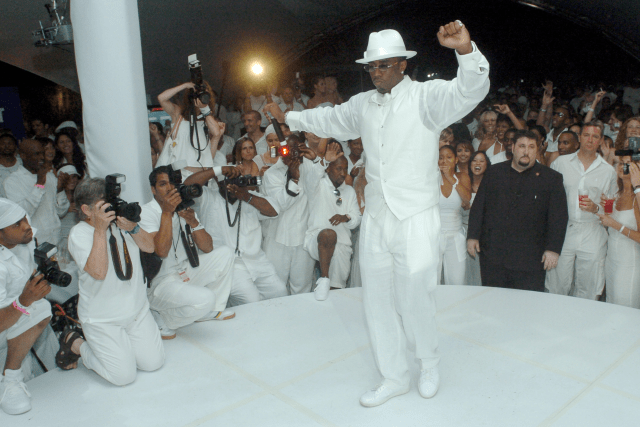
These kinds of stories aren’t new. Many powerful figures—from Harvey Weinstein to Jeffrey Epstein—have been exposed as deeply flawed individuals, willing to destroy the lives of others to maintain their grip on money and influence. What’s disturbing is how often these individuals are initially protected by their wealth and fame. In many cases, society seems willing to turn a blind eye until the sheer weight of evidence can no longer be ignored. Even then, redemption narratives and comeback stories often allow these individuals to return to the spotlight, further solidifying the idea that power and money can buy forgiveness, if not integrity.
In an era where celebrities and billionaires are often revered as gods, the transgressions of the powerful can feel inconsequential compared to their perceived value as cultural icons. The public may cringe at their moral failings but continue to consume their content, buy their products, and admire their influence.
The Forgotten Virtues of Honor and Dignity
What has been lost in this scramble for status and wealth is the sense of honor and dignity that once guided human behavior. These virtues, while perhaps never as universally upheld as we’d like to think, still held significant importance in how people conducted their lives. To have honor meant standing for something beyond oneself, to carry dignity meant to conduct oneself with self-respect and respect for others, even when no one was watching.
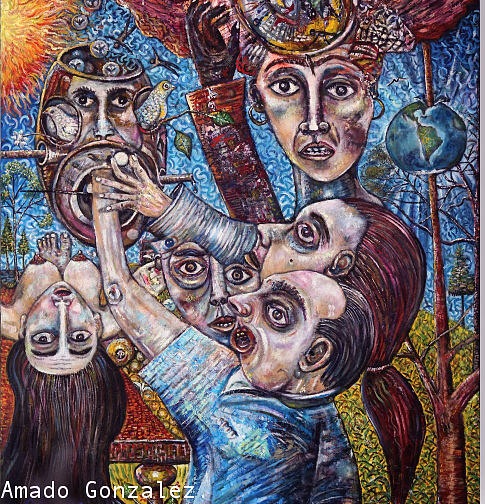
Today, these values often feel antiquated. The moral grayness of our time, compounded by the relentless pursuit of profit and social media clout, leaves little room for such ideals. Those who still cling to the notion of honor are often portrayed as out of touch or naive. It’s easier, more pragmatic, to bend to the rules of the game—to prioritize personal gain over principle.
The irony is that, despite this cultural shift, we continue to lament the absence of integrity in leadership, business, and personal relationships. We express dismay when we hear about the abusive actions of people like Diddy or the next powerful figure to fall from grace, but at the same time, we celebrate the systems that enable such behavior. We exalt those who have made it to the top, often ignoring the means by which they got there.
Is There Hope for a Return to Values?
The question remains: Can society course-correct? Can we revive the importance of honor and dignity in a world that increasingly measures worth by bank accounts and follower counts?
The answer may lie in small, grassroots movements that emphasize community, empathy, and sustainability over individual gain. As more people become disillusioned with the excesses of modern capitalism and fame culture, there may be a push toward redefining success—not in terms of wealth and power, but in terms of how we treat others and the legacy we leave behind.
The current state of affairs is not sustainable. We are already seeing the cracks in this value system. The downfall of the powerful is no longer surprising but expected. People are increasingly skeptical of those who wield enormous power, and there is a growing desire for accountability. Movements like #MeToo and the growing push for corporate social responsibility reflect this shift in public consciousness.
Still, it will take time and effort to shift the balance back toward integrity. It will require individuals in positions of influence—whether they be in business, entertainment, or politics—to actively choose honor and dignity over personal gain. It will require society to stop placing wealth and power on pedestals and start valuing moral leadership.
In the end, it comes down to choice. People will continue to do what benefits them, but we must ask ourselves: What kind of benefits are we really seeking? Is it wealth and power at all costs, or is it the deeper, lasting satisfaction of living with honor and dignity in a world that desperately needs both?
Article By Hakan Nurhak
Books by the Author



 The Path Of Light