
Family is often seen as the ultimate support system, a network of people we can rely on during both good times and bad. The idea of family extends beyond bloodlines; it’s supposed to represent a group of people who offer unwavering support, encouragement, and love. Yet, it’s an unfortunate truth that, at times, family members can fail to fulfill these expectations. They might stand by and watch as one of their own struggles, or worse, criticize and judge rather than offer assistance. This lack of support can cut deeper than any hardship, leaving behind wounds that may never truly heal.
A good family is one that actively seeks to uplift and support its members, recognizing that everyone faces challenges in life. When someone in the family is going through a difficult period, it shouldn’t be a time to judge or gossip; it should be a call to action, to lend a hand. Supporting each other isn’t just about offering financial aid; it could be a word of encouragement, time spent together, or just a willingness to listen. Such acts strengthen the bonds of trust, which are essential in family relationships.
However, in some families, there are individuals who prioritize their own desires or self-interests, choosing not to help a family member who is clearly struggling. This can lead to frustration, feelings of betrayal, and lingering resentment. For the person experiencing hardship, the disappointment of being ignored or judged by a close family member often hurts far more than the hardship itself.
Personal Reflection: My Uncle Bektaş

In reflecting on the role family is supposed to play, I’m reminded of my own uncle, Bektaş. His relationship with our family was complex and, unfortunately, often disappointing. Bektas, as the older brother, could have been a source of support and wisdom for my father, who looked up to him with respect and admiration. My father was always willing to step up for him, helping him whenever he needed anything without hesitation or expectations. However, when the roles reversed and my father faced financial struggles, Bektaş was nowhere to be found.
What made this situation harder to accept was knowing that Bektaş had the means to help. Instead of supporting his younger brother, he chose to spend his time and money elsewhere, often on young women rather than offering a helping hand. This wasn’t simply a question of lifestyle choice; it was a matter of values and priorities. Watching Bektas invest his resources in transient relationships while my father struggled created a painful contrast. It was more than just the lack of help; it was the sense that he valued his own enjoyment more than the well-being of his family. His lack of support became a lasting source of disappointment for my father and a reminder of how painful it can be when those closest to you fail to act as a true family.
Understanding the Long-term Impact
This experience with Bektaş is a clear example of how deeply a family member’s actions (or inactions) can affect us. For my father, it wasn’t just the financial struggle that was difficult; it was the feeling of betrayal from someone he had once trusted and looked up to. Family should be a foundation of support, a place where we can turn when life becomes overwhelming. When family fails in this duty, it leaves scars that are often harder to heal than any financial hardship.
This experience has reshaped my understanding of family and loyalty. It’s a reminder that family is not just defined by titles, but by actions. Bektaş may have been an uncle by blood, but his lack of support made him feel more like a stranger. In our family, the lesson was clear: it’s essential to be there for each other, to offer help even when it’s inconvenient, and to value family ties over fleeting personal pleasures.
Moving Forward: Redefining Family Roles
Bektas’ behavior taught our family a difficult, albeit important, lesson: family is about choice as much as it is about kinship. We have the power to choose how we treat each other and what kind of family members we want to be. My father’s willingness to help, regardless of whether he received the same in return, is a testament to the strength of his character and his loyalty to family values. In contrast, Bektas’ actions served as a reminder that being family doesn’t guarantee that someone will be supportive or trustworthy.
While this situation was painful, it ultimately helped me understand the importance of setting my own standards for family loyalty and support. It’s taught me the value of offering help when I can, of prioritizing the people who matter, and of being the kind of family member my father was: someone who doesn’t turn their back on family in times of need.
Article by Hakan Nurhak
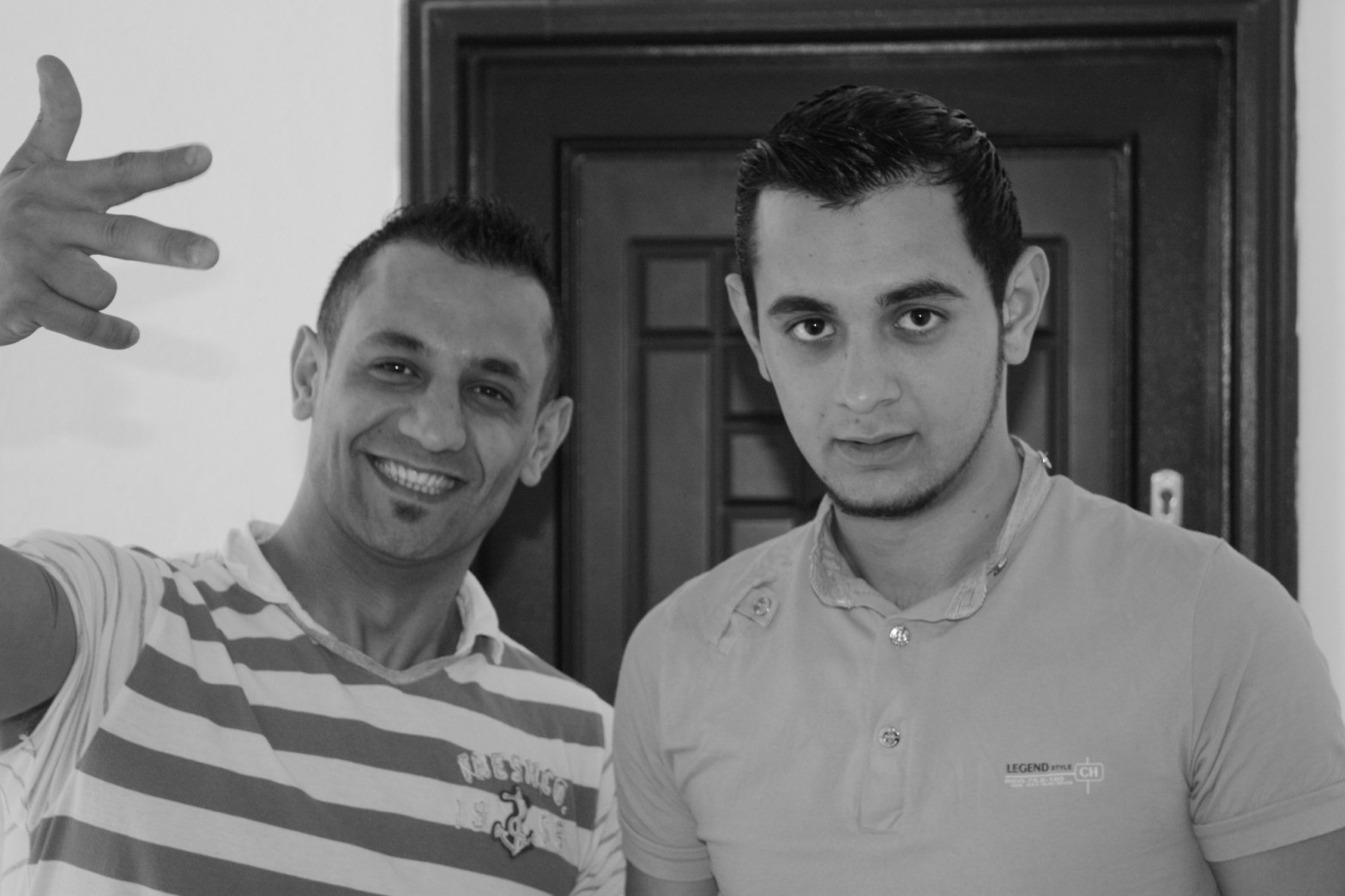
Featured photo is my brother M.Ali

 The Path Of Light