
Secrecy is one of humanity’s oldest double-edged swords. On the one hand, it can protect privacy and allow for intimate trust. On the other, it can nurture deception and manipulation. As someone who was introduced to the weight of secrets at a young age, I learned that they often come with a price. My mother would sometimes ask my siblings and me to keep her actions hidden, instilling in us an understanding that secrets often shield wrongdoings. This early experience shaped my worldview: secrecy, wherever it exists, is often the root of suffering.
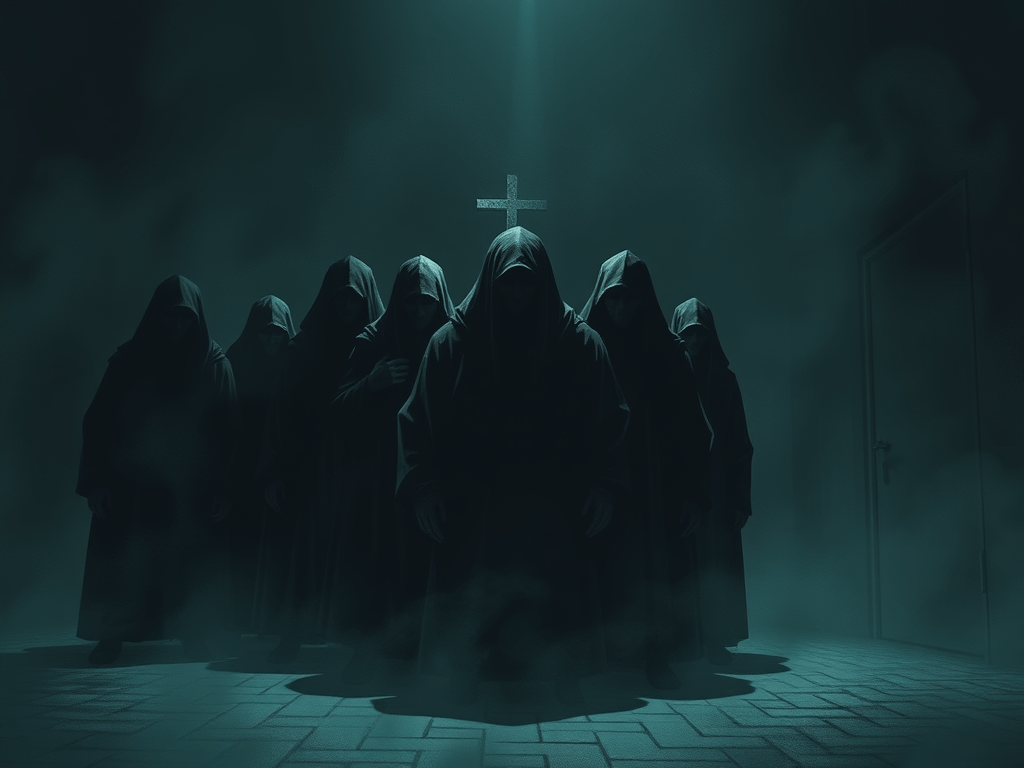
As I grew older and observed the world around me, this belief only deepened. I began to see how pervasive secrecy was—not just in families but in entire systems. Cults, in particular, exemplify the destructive power of secrecy. These groups thrive on the concealment of their true motives, building facades of righteousness or exclusivity to mask greed, control, and exploitation.
Cults as Havens for Secrecy
Cults are, at their core, ecosystems of secrecy. Whether religious, ideological, or social, these groups often demand unwavering loyalty and impose strict rules of confidentiality. Outsiders are kept in the dark, while insiders are trapped in a web of manipulation and fear. Cults weaponize secrecy to protect their leaders, their wealth, and their power, all while isolating their members from the outside world.
When you start to dig into these organizations, the truth becomes startlingly clear: cults are rarely about spirituality or community. Instead, they are often tools to safeguard the ill-gotten gains of their leaders. The secrecy ensures that members remain ignorant of the exploitation they face, while outsiders remain blind to the group’s true nature.
This dynamic is not limited to small, fringe groups. Many large, powerful organizations operate like cults, using secrecy to protect their interests and maintain control. From corporations to governments, secrecy has become a tool for oppression.

The Human Cost of Secrecy
The damage caused by secrecy extends far beyond the individuals directly involved in these groups. On a societal level, secrecy undermines trust, breeds division, and perpetuates inequality. When secrets are used to protect the powerful, they erode the very foundations of justice and democracy.
For individuals, the consequences can be devastating. Growing up in an environment of secrecy can teach children to suppress their feelings, mistrust others, and carry the burden of guilt for things they did not cause. In cult-like settings, secrecy isolates members from their families and communities, leaving them vulnerable to abuse and exploitation.
A World Without Secrets
What would a world without secrets look like? While complete transparency might seem unrealistic, striving for openness and accountability is a goal worth pursuing. Secrecy thrives in darkness, but truth flourishes in the light. By exposing hidden agendas and challenging systems of secrecy, we can begin to dismantle the structures that enable exploitation and oppression.
For those of us who have been affected by secrecy, the journey toward healing begins with honesty. By breaking the cycle of silence, we can reclaim our power and help others do the same. And by speaking out against secrecy in all its forms—whether in families, organizations, or governments—we can begin to create a world where humanity no longer suffers under its weight.
Article by Hakan Nurhak

 The Path Of Light