From start to finish, we offer a seamless and efficient process, ensuring that your business planning applications and licensing requirements are handled with utmost care and expertise. We understand the challenges and intricacies associated with navigating the legal and regulatory landscape in these sectors, and our team is well-versed in the ever-evolving guidelines and protocols.
The Power of 432 Hz: Sound Healing and Its Benefits We have talked about the importance of sound healings in The Path Of Light, and In recent years, 432 Hz music has gained popularity for its calming and healing properties, attracting a growing number of listeners who use it to reduce stress, improve sleep, and boost overall well-being. Unlike the standard 440 Hz tuning commonly used in modern music, 432 Hz is said to resonate more naturally with the human body and the world around us, making it a powerful tool in sound healing,
What Is 432 Hz? The 432 Hz frequency is often called the “miracle tone” or “natural tuning.” Some claim that it aligns more harmoniously with the earth’s natural vibration and the universe’s resonance, connecting listeners to a deeper state of relaxation and balance. This “scientific pitch” has ancient roots, with connections to musical traditions in Ancient Greece and Egypt. Today, 432 Hz is used in sound healing practices for its unique ability to calm the mind and promote a sense of peace.
Benefits of 432 Hz in Sound Healing
1. Reduces Stress and Anxiety Research suggests that music can greatly impact the nervous system, and 432 Hz specifically is associated with soothing the mind. By listening to 432 Hz music, many people experience reduced levels of anxiety, as the tone helps to slow down the heart rate and create a sense of calm.
2. Improves Mental Clarity Sound healing with 432 Hz enhance focus and mental clarity. As it calms the nervous system, this frequency may help listeners feel more centered and balanced, which can aid in better concentration, meditation, and introspection.
3. Promotes Physical Healing Some sound therapists suggest that 432 Hz can assist with physical healing by reducing inflammation and tension in the body. By lowering stress levels, it may also promote faster recovery and enhance the body’s natural healing processes.
4. Enhances Sleep Quality For those who struggle with sleep, the gentle frequency of 432 Hz music can act as a natural aid. Its calming effect helps to quiet the mind, making it easier to fall asleep and achieve deeper, more restful sleep.
5. Fosters Emotional Balance The vibrational alignment of 432 Hz is often described as “harmonizing” and is believed to help release pent-up emotions and foster emotional balance. Many listeners report a feeling of connectedness and comfort while listening to this frequency.
An Invitation to Experience 432 Hz Sound Healing Discover the benefits of 432 Hz sound healing by listening to soothing music, available on my new YouTube channel. Immerse yourself in the healing sounds and experience their physical and emotional effects, fostering a deeper connection to yourself and enhancing your sense of well-being.
Family is often seen as the ultimate support system, a network of people we can rely on during both good times and bad. The idea of family extends beyond bloodlines; it’s supposed to represent a group of people who offer unwavering support, encouragement, and love. Yet, it’s an unfortunate truth that, at times, family members can fail to fulfill these expectations. They might stand by and watch as one of their own struggles, or worse, criticize and judge rather than offer assistance. This lack of support can cut deeper than any hardship, leaving behind wounds that may never truly heal.
A good family is one that actively seeks to uplift and support its members, recognizing that everyone faces challenges in life. When someone in the family is going through a difficult period, it shouldn’t be a time to judge or gossip; it should be a call to action, to lend a hand. Supporting each other isn’t just about offering financial aid; it could be a word of encouragement, time spent together, or just a willingness to listen. Such acts strengthen the bonds of trust, which are essential in family relationships.
However, in some families, there are individuals who prioritize their own desires or self-interests, choosing not to help a family member who is clearly struggling. This can lead to frustration, feelings of betrayal, and lingering resentment. For the person experiencing hardship, the disappointment of being ignored or judged by a close family member often hurts far more than the hardship itself.
Personal Reflection: My Uncle Bektaş
Bektaş Nurhak
In reflecting on the role family is supposed to play, I’m reminded of my own uncle, Bektaş. His relationship with our family was complex and, unfortunately, often disappointing. Bektas, as the older brother, could have been a source of support and wisdom for my father, who looked up to him with respect and admiration. My father was always willing to step up for him, helping him whenever he needed anything without hesitation or expectations. However, when the roles reversed and my father faced financial struggles, Bektaş was nowhere to be found.
What made this situation harder to accept was knowing that Bektaş had the means to help. Instead of supporting his younger brother, he chose to spend his time and money elsewhere, often on young women rather than offering a helping hand. This wasn’t simply a question of lifestyle choice; it was a matter of values and priorities. Watching Bektas invest his resources in transient relationships while my father struggled created a painful contrast. It was more than just the lack of help; it was the sense that he valued his own enjoyment more than the well-being of his family. His lack of support became a lasting source of disappointment for my father and a reminder of how painful it can be when those closest to you fail to act as a true family.
Understanding the Long-term Impact
This experience with Bektaş is a clear example of how deeply a family member’s actions (or inactions) can affect us. For my father, it wasn’t just the financial struggle that was difficult; it was the feeling of betrayal from someone he had once trusted and looked up to. Family should be a foundation of support, a place where we can turn when life becomes overwhelming. When family fails in this duty, it leaves scars that are often harder to heal than any financial hardship.
This experience has reshaped my understanding of family and loyalty. It’s a reminder that family is not just defined by titles, but by actions. Bektaş may have been an uncle by blood, but his lack of support made him feel more like a stranger. In our family, the lesson was clear: it’s essential to be there for each other, to offer help even when it’s inconvenient, and to value family ties over fleeting personal pleasures.
Moving Forward: Redefining Family Roles
Bektas’ behavior taught our family a difficult, albeit important, lesson: family is about choice as much as it is about kinship. We have the power to choose how we treat each other and what kind of family members we want to be. My father’s willingness to help, regardless of whether he received the same in return, is a testament to the strength of his character and his loyalty to family values. In contrast, Bektas’ actions served as a reminder that being family doesn’t guarantee that someone will be supportive or trustworthy.
While this situation was painful, it ultimately helped me understand the importance of setting my own standards for family loyalty and support. It’s taught me the value of offering help when I can, of prioritizing the people who matter, and of being the kind of family member my father was: someone who doesn’t turn their back on family in times of need.
When I was about 13, I had a childhood friend named Tayfun. We were thick as thieves, always getting into mischief together. One day, we were in an arcade playing Street Fighter—you know, those classic games that used to feel like life or death in the moment. Well, one thing led to another, and we got into a little rumble. In the heat of the moment, Tayfun accidentally stabbed me. It wasn’t serious—three stitches later, I was fine—but it stuck with me, like a warning sign for things to come.
As time passed, we both grew up, and life got a bit more complicated. Like many teenagers, I experimented with weed and cocaine. I made mistakes, chasing a high that felt exciting at the time. But eventually, I learned something crucial: drugs create a fake kind of satisfaction. They isolate you from reality, giving you a sense of control when really, they’re taking it away from you.
I had to learn how to control it, how to step back from that fake world and ground myself in something real. I realized that every hit took me further away from the person I wanted to be the person I knew I could become. It wasn’t easy, but I got out of that trap.
Tayfun lived in Antalya, beautiful sea side though, he never did gave up on drugs. We stayed in touch even after I left Türkiye in the early 2000s, but his path went in a different directions. While I figured out my way through mistakes and learned from them, Tayfun got deeper into harder drugs. I look back and wonder—he had a hardworking father who trusted him, who was always there for him. Maybe that made him feel like he didn’t need to fight for something more, or maybe he just couldn’t see the warning signs. Whatever the reason, he couldn’t break free from the grip of addiction. He wasted so much time and missed out on building his personal developments.
Now, why am I telling you all this?
Because I know many of you are young artists and aspiring DJs, chasing your dreams, trying to break into the industry. I also know the pressure you’re under—pressure to succeed, pressure to fit in, and sometimes pressure to escape. Drugs might seem like a shortcut to easing that stress, or even just part of the scene, but trust me when I say this: drugs are a fake fix. They offer a temporary high but can cost you everything in the long run.
Here are a few tips I’ve learned along the way:
1. Don’t let fake satisfaction take you away from real success. The thrill of a hit is nothing compared to the high of achieving your goals through hard work and dedication.
2. Learn from mistakes, don’t live in them. It’s okay to stumble—we all do. But you have to rise up stronger. Some people couldn’t do that, but you can.
3. Stay grounded in your purpose. Whether you want to DJ for thousands or create art that moves people, keep your focus sharp. Drugs will only cloud that vision and steal your potential.
4. Your circle matters. Surround yourself with people who want the best for you, who keep you focused on your art, not distractions.
5. Face reality, don’t escape it. Life’s challenges are hard, but facing them head-on makes you stronger. Escaping into drugs only builds walls between you and your true potential.
Tayfun’s story is a reminder that life can turn in an instant. Choices, even small ones, can ripple out and change everything. So, as you chase your dreams, be mindful of the paths you take and the habits you form. You’ve got the talent, the vision, and the fire within you. Don’t let a fake high burn out the real you.
The pace of change in today’s world is undeniable. Over the past decade, we’ve watched as technological advancements, political shifts, and cultural transformations have left their indelible mark on our societies. In this whirl of constant evolution, certain values once held dear seem to be fading. Honor, dignity, and integrity—virtues that once formed the backbone of both personal and public life—are increasingly overshadowed by the insatiable pursuit of wealth, power, and influence.
This shift is particularly noticeable in the Western world, where traditional ideals appear to be eroding under the weight of capitalism’s growing dominance. Today, many people seem to prioritize self-interest, cutting corners, and advancing personal gain over contributing to a broader sense of purpose or collective well-being. Money and power have ascended to become the new gods of the age, worshipped through ambition, excess, and social status. And while this trend is alarming on its own, the recent high-profile controversies surrounding public figures like Sean “Diddy” Combs, who has been accused of creating an abusive, cult-like environment, serve as stark illustrations of how far we’ve drifted.
The Rise of Self-Interest
It has long been said that people do what benefits them, but in the current climate, this self-interest seems to have taken on a different hue. Whether it’s in business, politics, or entertainment, the moral compass of society seems to have recalibrated itself to value success at any cost. This attitude has only accelerated in the last decade. The digital age has allowed for instantaneous gratification, where financial success, fame, and social validation are more accessible than ever before.
This speed of change has had a disorienting effect on our values. What was once the “slow burn” of earning respect through honorable deeds or principled leadership has been replaced with quick wins: viral fame, fast-tracked wealth, and a scramble for influence. The patience required for long-term integrity often feels outdated in a world where public personas are curated for Instagram or Twitter, and where overnight success stories are the new norm.
In the West, this culture of instant achievement is especially apparent. Corporate scandals, political corruption, and celebrity controversies frequently reveal just how low people are willing to sink in the name of gain. The value placed on money and power has grown to such an extent that people will overlook deep moral failings in order to align themselves with those in possession of either.
The Price of Fame and Fortune
Sean “Diddy” Combs, also known as P. Diddy, has long been an iconic figure in the music industry. Yet recent allegations paint a much darker picture of a man who, beneath the surface, may have used his power and influence to manipulate and control those around him. Reports of abusive practices and a “cult-like” atmosphere at his record label suggest that Diddy’s meteoric rise to the top may have come at the expense of the well-being of those in his orbit.
Picture from AOL.com
These kinds of stories aren’t new. Many powerful figures—from Harvey Weinstein to Jeffrey Epstein—have been exposed as deeply flawed individuals, willing to destroy the lives of others to maintain their grip on money and influence. What’s disturbing is how often these individuals are initially protected by their wealth and fame. In many cases, society seems willing to turn a blind eye until the sheer weight of evidence can no longer be ignored. Even then, redemption narratives and comeback stories often allow these individuals to return to the spotlight, further solidifying the idea that power and money can buy forgiveness, if not integrity.
In an era where celebrities and billionaires are often revered as gods, the transgressions of the powerful can feel inconsequential compared to their perceived value as cultural icons. The public may cringe at their moral failings but continue to consume their content, buy their products, and admire their influence.
The Forgotten Virtues of Honor and Dignity
What has been lost in this scramble for status and wealth is the sense of honor and dignity that once guided human behavior. These virtues, while perhaps never as universally upheld as we’d like to think, still held significant importance in how people conducted their lives. To have honor meant standing for something beyond oneself, to carry dignity meant to conduct oneself with self-respect and respect for others, even when no one was watching.
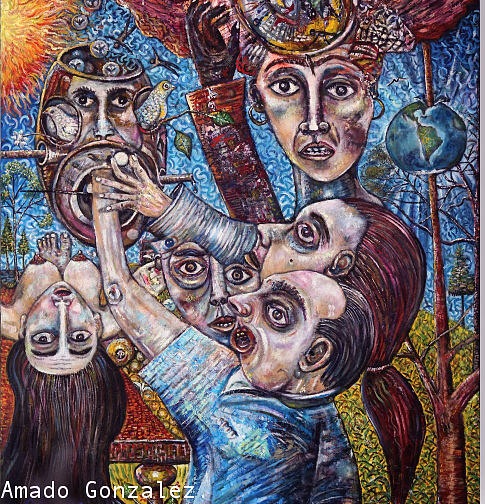
Greed Painting by Amado Gonzales
Today, these values often feel antiquated. The moral grayness of our time, compounded by the relentless pursuit of profit and social media clout, leaves little room for such ideals. Those who still cling to the notion of honor are often portrayed as out of touch or naive. It’s easier, more pragmatic, to bend to the rules of the game—to prioritize personal gain over principle.
The irony is that, despite this cultural shift, we continue to lament the absence of integrity in leadership, business, and personal relationships. We express dismay when we hear about the abusive actions of people like Diddy or the next powerful figure to fall from grace, but at the same time, we celebrate the systems that enable such behavior. We exalt those who have made it to the top, often ignoring the means by which they got there.
Is There Hope for a Return to Values?
The question remains: Can society course-correct? Can we revive the importance of honor and dignity in a world that increasingly measures worth by bank accounts and follower counts?
The answer may lie in small, grassroots movements that emphasize community, empathy, and sustainability over individual gain. As more people become disillusioned with the excesses of modern capitalism and fame culture, there may be a push toward redefining success—not in terms of wealth and power, but in terms of how we treat others and the legacy we leave behind.
The current state of affairs is not sustainable. We are already seeing the cracks in this value system. The downfall of the powerful is no longer surprising but expected. People are increasingly skeptical of those who wield enormous power, and there is a growing desire for accountability. Movements like #MeToo and the growing push for corporate social responsibility reflect this shift in public consciousness.
Still, it will take time and effort to shift the balance back toward integrity. It will require individuals in positions of influence—whether they be in business, entertainment, or politics—to actively choose honor and dignity over personal gain. It will require society to stop placing wealth and power on pedestals and start valuing moral leadership.
In the end, it comes down to choice. People will continue to do what benefits them, but we must ask ourselves: What kind of benefits are we really seeking? Is it wealth and power at all costs, or is it the deeper, lasting satisfaction of living with honor and dignity in a world that desperately needs both?
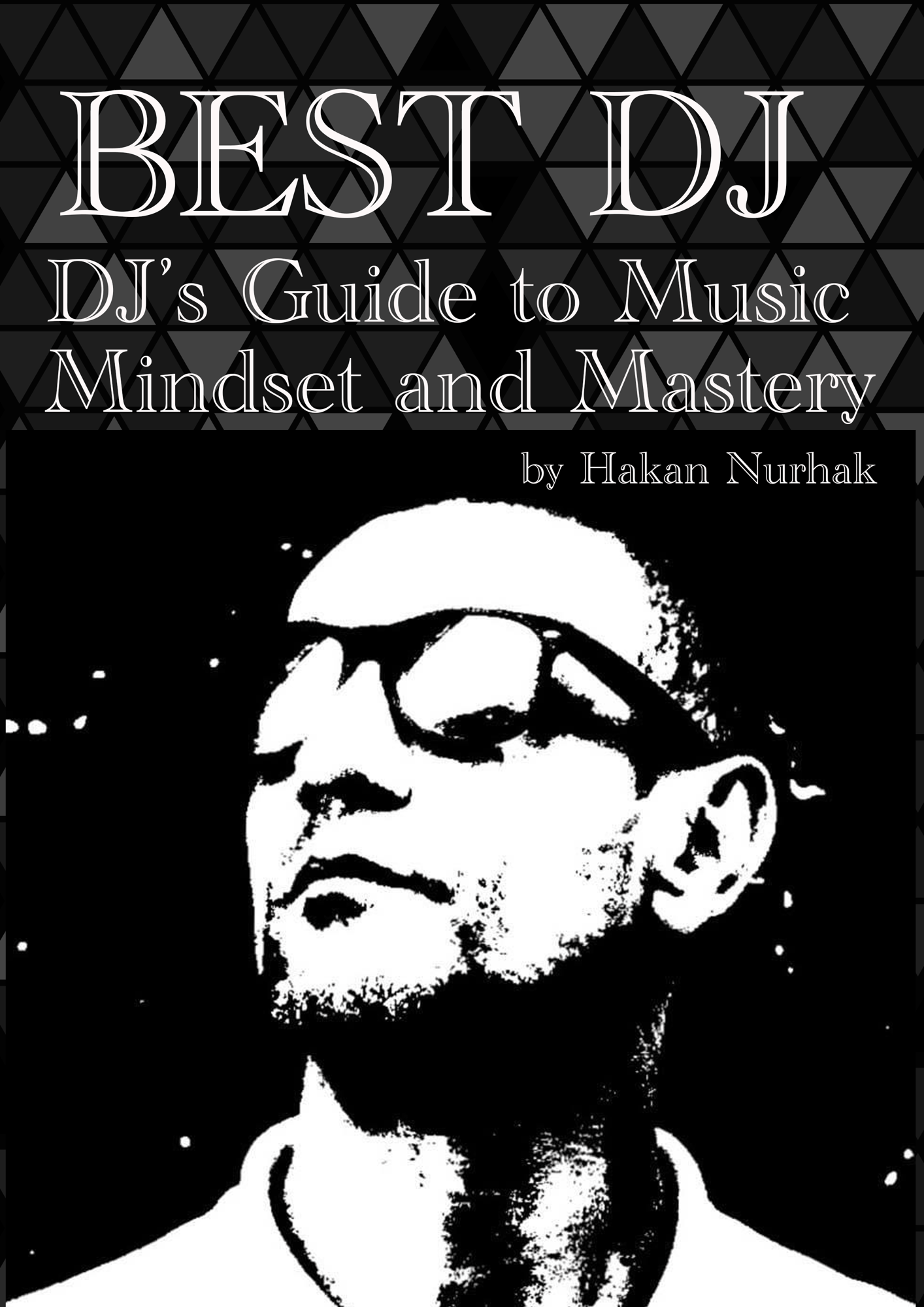
Welcome to Best DJ, where music meets meaning and experience turns into wisdom. I’m Hakan Nurhak, also known as DJ Poseydon, and I’m excited to share my new book, Best DJ: DJ’s Guide to Music, Mindset, and Mastery. This book is more than just a guide for aspiring DJs—it’s a roadmap for anyone looking to elevate their craft, embrace a positive mindset, and achieve mastery, both in music and life.
Through my years in the industry, from humble beginnings in Manavgat to spinning tracks across Turkey and the UK, I’ve learned that true success as a DJ isn’t just about knowing the right tracks or having the best equipment. It’s about understanding the connection between music, your mindset, and the energy you share with others. In Best DJ, I dive deep into practical DJ skills, share personal stories, and explore the morals and lessons learned from both triumphs and challenges.
Whether you’re a budding DJ, a fan who’s followed my journey, or an old friend reconnecting, this website is designed to be a space for learning, sharing, and growing together. At Unity Within, we’re all about finding harmony between passion, purpose, and progress. I invite you to explore the insights, stories, and inspiration that have shaped my career and life.
Pre Order on Amazon Today
Let’s continue this journey together—through music, mindset, and mastery.
One of the most harmful mistakes anyone can make in life is allowing themselves to be recruited into hating someone who has never wronged them. Only a fool inherits other people’s enemies as a misguided expression of loyalty. This mistake can have devastating consequences, not only for the people involved but for families, friendships, and relationships. Often, such situations are fueled by manipulation, miscommunication, or personal biases, and those caught in the crossfire may not even realize how deeply they’ve been affected.
A personal example of this can be found in my own experience with my mother and father. For as long as I can remember, my mother harbored a deep resentment toward my father. She would badmouth him at every opportunity—whether we were at home, visiting relatives, or even in the presence of his own family. According to her, my father was nothing but an alcoholic, aggressive, and useless man. My brothers and I, being young and impressionable, absorbed these sentiments. We began to hate our father, not because of anything he had done to us personally, but because of the constant negative narrative my mother fed us.
Looking back, I realize that my mother’s hostility was not only unjust but perhaps rooted in her own dissatisfaction and personal issues. My mother was, in many ways, materialistic and uneducated. These factors may have shaped her view of my father, leading her to focus on his flaws and paint a distorted picture of him. I now understand that she may have had her own frustrations and unmet desires, and instead of addressing them constructively, she directed her anger toward my father.
In hindsight, I can also see how my mother’s attitude played a significant role in shaping my father’s behavior. She never welcomed him warmly, never showed him respect, and her bitter attitude often provoked him. I now wonder if her constant antagonism and harsh criticism made him angry, defensive, and even more likely to drink. It’s as if their relationship was trapped in a vicious cycle of negativity, each person’s actions reinforcing the other’s worst behaviors.
What makes this situation even more tragic is that my siblings and I were drawn into it without fully understanding the complexity of the relationship. We inherited my mother’s hatred for my father, even though he had never wronged us directly. In fact, there were times when my father tried to be present and loving, but the seeds of hatred had already been planted in our minds, and we couldn’t see past the image my mother had painted for us.
This experience serves as a powerful reminder of the danger of adopting someone else’s enemies as your own. It’s easy to get caught up in another person’s narrative, especially when that person is close to you, like a parent, sibling, or friend. But blind loyalty can lead to unjustified resentment and division. In my case, the real issue wasn’t my father’s character but the toxic dynamic between my parents, and my mother’s inability to handle her dissatisfaction in a constructive way.
Had I taken the time to form my own opinion about my father, free from my mother’s influence, I may have had a very different relationship with him. Instead, I allowed myself to be recruited into a war that was not mine, and I inherited a grudge that wasn’t justified. This experience has taught me that it’s important to question the narratives we are given, especially when they involve hate or resentment toward another person. Before we adopt someone else’s enemy, we should ask ourselves: has this person wronged me personally? Or am I simply carrying the weight of someone else’s bitterness?
In conclusion, the mistake of inheriting other people’s enemies is one of the most regrettable errors anyone can make. It leads to misplaced anger, broken relationships, and missed opportunities for understanding and reconciliation. If you ever find yourself in a situation where someone is trying to recruit you into their personal war, step back and evaluate the situation with a clear mind. Only a fool fights battles that are not theirs to fight. Instead of inheriting hate, choose to seek understanding and peace. This is the wiser path—and one that leads to true freedom from the shackles of other people’s conflicts.
There was a time when I believed that leadership meant always having the right answers, being the strongest, and never wavering. But I learned that true leadership is not about perfection—it’s about understanding your heart, trusting your instincts, and letting go of the toxic feelings that weigh you down.
I grew up watching my older brother struggle with leadership. He wasn’t a bad person, but he was often driven by guilt and fear, rather than courage or clarity. He’d make decisions not because they were right, but because he felt obligated, weighed down by past mistakes. Guilt clouded his judgment, and I could see it, like watching someone drown in their own inner storm. He would avoid confrontation, not because he wanted peace, but because he was afraid to face the truth.
It was frustrating. For years, I held onto that disappointment. Why couldn’t he just lead with strength and conviction? Why couldn’t he stand up for what’s right?
But here’s the truth I eventually realized: those feelings I held onto—the frustration, the disappointment, the resentment—were as toxic to me as the guilt was to him. They kept me stuck, weighed down by expectations I couldn’t control. And then something clicked: I could either let those feelings drag me under, or I could rise above them and lead in my own way.
That’s when I began to listen to my heart. Every time I saw conflict, I stood up—not just for what was easy but for what was right. I realized that leadership isn’t about being perfect. It’s about being honest with yourself. It’s about knowing when to let go of toxic feelings, disappointments, and the baggage others may pass onto you. It’s about recognizing that someone else’s weakness can become the foundation of your strength.
My brother’s struggle showed me what not to do—and that lesson, as painful as it was at the time, shaped me into the leader I am today. When I witness conflict, I don’t turn away. I listen, I engage, and I follow what feels true, not what feels comfortable.
We all have the power to be stronger than the toxic emotions that try to take root in our hearts. The key is learning to let them go—to choose your own path forward, rather than be bound by the disappointments of the past. In doing so, we become not only better leaders but better human beings, capable of lifting others and standing tall in the face of any storm.
The people we surround ourselves with have a profound impact on our lives, often in ways we may not immediately realize. Whether it’s family, friends, or colleagues, the attitudes, values, and energy of those around us can either lift us up or pull us down.
At their best, our relationships provide encouragement, perspective, and a sense of belonging. A friend who believes in us can inspire confidence, while a loved one’s unwavering support can help us navigate life’s most challenging moments. These connections ground us, reminding us that we are never truly alone in our struggles or triumphs.
However, it’s important to recognize that not all relationships are positive. Negative energy, constant criticism, or toxic behaviors from those around us can erode our self-esteem and sense of purpose. In such cases, it’s vital to create boundaries and seek out environments that nurture growth, joy, and understanding.
Ultimately, the people in our lives can serve as mirrors, reflecting who we are and who we aspire to be. When we choose to surround ourselves with individuals who challenge us to grow, offer kindness, and inspire hope, we find that our own lives become richer, more fulfilling, and deeply connected.
In the end, the people around us don’t just matter they shape the very fabric of our existence.
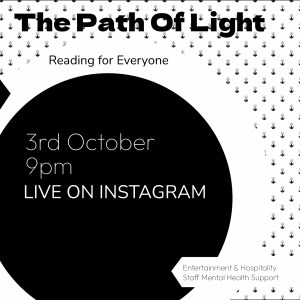
I’m thrilled to invite you to a special online live event where we’ll dive deep into my book The Path of Light, a guide to achieving unity within through healthy thinking, mindfulness, and inner peace. Whether you’ve already read the book or are just curious to learn more, this is the perfect opportunity to connect, share insights, and explore the key principles together.
@ djposeydon
Here’s what you can expect:
1. Live Reading: I’ll be reading select passages from The Path of Light, focusing on chapters that highlight how to achieve a balance between the body and mind, as well as how to cultivate mindfulness in everyday life.
Hakan Nurhak – Author
2. Interactive Q&A: After the reading, I’ll be answering your questions live! Whether you want to know more about the book’s ideas, how to apply them in your life, or any questions about mindfulness and healthy thinking, this is your chance to engage directly.
3. Building a Community: The goal of this event is to connect with like-minded individuals who are on a journey to improve their mental and emotional well-being. You’ll be able to interact with others in the chat, share experiences, and hopefully leave feeling inspired and supported.
Click below add your email and join the conversation.